Good morning, happy people!
After writing the "Diet tip of the day: Drink more water" - post I've received a ton of questions on supplements and superfoods. Therefore I want to share my knowledge with you guys. This is the first part of my "supplement info"-series. My main goal is to introduce some of the most important supplements any athlete (beginner, intermediate or professional) should be taking - giving you a description of why they work and some tips on using them correctly.
Do you want to improve recovery after a really tough workout?
Do you want to sleep better at night?
Do you wish to reduce muscle spasms, cramps and improve your tolerance of vigorous physical activity?
Magnesium is the fourth most abundant element by mass in the human body and is essential to good health. It's ions are essential to all living cells, where they are needed in manipulating important biological compounds like ATP, DNA and RNA. Magnesium is required in the catalysation of more than 300 enzymes in the human body, and it has been detected in nearly 4,000 binding sites of human proteins.
Magnesium is important to metabolism, enzyme function, the proper function of the nervous system, the uptake of calcium, the immune system, muscle function (keeping the heart beat steady - the heart is a muscle), strengthening bones and protein synthesis. Taken correctly, magnesium prevents stroke and heart attacks; and can help pain in fibromyalgia, migraine and premenstrual symptoms.
Magnesium is essential in a healthy diet. Magnesium, just like Vitamin D, plays a part in many chemical reactions and functions in the human body, and deficiency is therefore challenging to diagnose. Many people may not have enough magnesium stored in their body because they fail to get the recommended amount of magnesium from their diet. Having enough body stores of magnesium can prevent stroke and heart attacks and immune dysfunction.
Common first symptoms of magnesium deficiency are numbness and tingling, apathy, memory loss and learning difficulties, nausea, desorientation, sleep disorders, irritation, muscle spasms and cramps, headache, loss of appetite, fatigue and weakness. Magnesium deficiency can cause asthma, diabetes and osteoporosis. Keep in mind that many of these symptoms are general and can be caused by many other things than magnesium deficiency!
Magnesium deficiency is usually caused by a disease or dysfunction of the intestines (diabetes, kidney dysfunction, irritated bowel syndrome), certain types of medicine (diuretic compounds, birth control pills and antibiotics), stress or alcoholism.
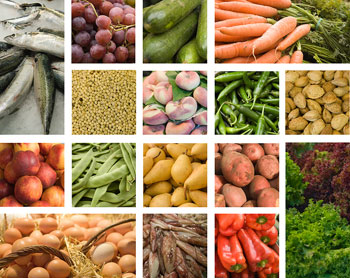
Good dietary sources of magnesium include green vegetables (spinach, agar, green leafy spices), fruits like banana and avocado; beans and peas; tomatoes, ginger, cumin, fish (halibut), nuts and seeds (especially cashews, almonds, sunflower and pumpkin seeds), and whole, unrefined grains. Refined grains (e.g. white flour) are generally low in magnesium, because when they are processed, the magnesium-rich germ and bran are removed. So make sure you eat whole-grain products in stead of processed foods! Coffee, cocoa and tea are also good sources of magnesium. When it comes to cocoa, choose raw cacao (here's why).
Keep in mind that carbonated drinks like sodas decrease the uptake of magnesium, as does taking large amounts of calcium supplements.
Magnesium dietary supplements are widely available. Here's a short description of the different forms of magnesium supplements:
Magnesium oxide is one of the most common forms in magnesium dietary supplements, because it has a high magnesium content per weight (60%), but it is the least bioavailable. Magnesium oxide works mostly as a laxative in the human body, so don't overdose on it - you'll feel the consequences pretty fast.
Magnesium citrate has been reported as more bioavailable then oxide or amino-acid chelate (glycinate) forms. Citrate is a common form of magnesium in supplements, you'll find it in almost every supermarket.
Magnesium glycinate is a highly bioavailable form of magnesium, and it provides a high level of absorption and is considered ideal for those who are trying to correct a deficiency. (It's also the form I mostly use).
Magnesium chloride or lactate has only 12% magnesium, but it is still more bioavailable than magnesium oxide.
Magnesium stearate is a potentially harmful additive, a binding ingredient in drugs and mints, and shouldn't be used as a magnesium supplement. According to a health-oriented website magnesium stearate (or the stearic acid in it) can lower your immune system and potentially prevent the absorption of nutrients in your intestine. So, steer clear of magnesium stearate.
So, what did you learn? Don't use magnesium oxide, take almost anything else. Except for magnesium stearate, that is. Read the labels on your supplement bottles! If you're unsure about supplementing on magnesium, leave a comment or send me a message - I'm glad to help.
Excess magnesium in the blood is filtered at the kidneys, so it's difficult to overdose on magnesium from dietary sources. With supplements, overdose is possible, but mostly in people with poorly functioning kidneys.So you shouldn't worry.
Picture source 1 2
Hope you're having a great day!
/Coach U
Showing posts with label tips. Show all posts
Wednesday, February 13, 2013
Sunday, January 6, 2013
Diet tip of the day: drink more water
75 % of your body is water - in fact, 70-80 % of your brain tissue consists of water. If you're dehydrated, your body and mind are stressed.
Every chemical reaction that takes place in the body needs water - basically, your cells need water to function properly. By drinking water I mean drinking pure water; not coffee, beer, coke, juice or other sugary fluids.
If you wait until you're thirsty, your body is already a little dehydrated. Symptoms of dehydration may include dry skin, loss of skin elasticity, increased wrinkles, dry eyes, thrist, tiredness, dry mouth, headache, constipation, dizziness or lightheadedness. Severe dehydration may result in low blood pressure, rapid heartbeat, confusion and fever.
Water affects your health extensively. Your body needs water to recover from injuries and diseases, to detox (cleanse the body of contaminants), and to improve digestion. Decent hydration will boost your energy levels, increase your mental sharpness and help boost your immune system. Drinking water helps you build muscle tone (helps muscles to contract better), decreases muscle cramps and lubricates joints. Best of all, water may help you lose those extra pounds you've been trying to shed.
According to a study (Davy et al. 2010) drinking water before a meal has been proved to aid weight loss. The study states that drinking two (2,5 dl) glasses of water before every meal affected the participants' eating habits - in fact, the participants ate in average between 75 and 90 fever calories during the meal. The participants were successful in keeping the weight loss even 12 months after the study. Basically, water makes people feel satisfied and keep hunger off, at least in the older population.
How much water is enough? That's a tough question, since a person's need of water depends on age, body size, physical activity and weather. An average adult needs at least two litres of water a day. You'll need a lot more water if you're physically active, spend a lot of time in a dry environment (for instance, if your home or office has an effective airconditioning system) or if your environment is very warm and you sweat a lot. Keep a glass of water or a bottle nearby to remind you to stay hydrated. When in doubt, drink a little more. ;)
Drinking much water won't give you a bloated body - water retention is caused by eating too much salt, not by drinking much water. In fact, drinking water helps you get rid of feeling bloated, since it flushes the body.
I'm not saying that water is a magic potion, but it can aid you in losing weight. Water makes you feel fuller and revs up your metabolism. Acccording to some sources drinking ice cold water makes you burn even more calories, since your body has to warm it up - but seriously, you'd have to drink a lot of icy water to lose weight solely on that method. A study showed that drinking approximately 5 dl of near-freezing water only burned approximately 4 kcal. Your diet makes a bigger difference to shedding fat.
Remember, that there's also a possibility to drinking too much water (water intoxication). Water intoxication is not easy to achieve, trust me. Obsessive-compulsive water drinking or an extended athletic activity, where the athlete drinks a lot of water, may cause water intoxication. This means that electrolytes (especially sodium and potassium) in the blood are diluted to the point that it interferes with brain, heart and muscle function. Athletes tackle theproblem by using sports drinks with minerals to keep their body in balance.
Here's a link to an online water calculator, check it out!
A few tips to drinking water:
- As I said earlier, keep a glass or bottle of water close by at all times, to make sure you remember to hydrate. One tip is to fill a 2l jug of water in the morning and making sure you empty it during the day. I usually fill a 650 ml glass bottle with water three times at work - and I drink a big glass of water with every meal. Think of places you can stash your water bottle (your purse, the car, on your desk at work..)
- Create your own vitamin drink. For example, try one of my smoothies!
- Drink a glass of water with every meal. By sipping water during your meals you'll enjoy your food more and slow your eating.
- Drink herbal teas. Try different infusions and enjoy them after meals - you'll aid your digestion by drinking a warm tea after a heavy meal.
- Try berry- or veggie flavoured waters (see picture below). For example, you could stuff a mason jar with ice cubes, citrus slices and some mint leaves - add water and enjoy.
Cheers!
/Ulrika
Picture source 1 2 3
References:
Brown, CM; Dulloo, AG; Montani, JP. Water-induced thermogenesis reconsidered: the effects of osmolality and water temperature on energy expenditure after drinking. J Clin Endocrinol Metab. 2006 Sep;91(9):3598-602
Dennis, EA; Dengo, AL; Comber DL; Flack, KD; Savla, J; Davy KP; Davy, BM. "Water Consumption Increases Weight Loss During a Hypocaloric Diet Intervention in Middle-aged and Older Adults", Obesity 18 (2): 300–307
Popkin, BM; Barclay, DV; Nielsen, SJ.Water and food consumption patterns of U.S. adults from 1999 to 2001. Obesity 13 (12): 2146–2152
Tunnisteet:
clean eating,
diet plan,
food,
goals,
health benefits,
laihdutus,
losing weight,
nutrition,
nutritional coaching,
tips,
weightloss
Friday, January 4, 2013
Clean eating smoothie: part 7
Good morning, fit people!
Today's clean eating recipe is a pineapple and berry smoothie. It's simple, it's packed with vitamins and other antioxidants and it tastes wonderful.
Now, before I reveal the simple recipe, I want to share the health benefits of the basic ingredients of my smoothie.
Health benefits of pineapple
Pineapples are rich in vitamin C, vitamin A and B-complex group of vitamins like folates, thiamin, pyridoxine, riboflavin and minerals like calcium, phosphorus, potassium, copper and manganese. Potassium (K) is an important component of cell and body fluids, helps controlling heart rate and blood pressure. Copper (Cu) is a helpful cofactor for red blood cell synthesis. Manganese (Mn) is a trace mineral your body needs to build bones and connective tissues, and it also is a co-factor for an enzyme which battles free radicals.
Since pineapples have these anti-inflammatory qualities, eating pineapples can greatly ease the pain of arthritis, carpal tunnel syndrome and gout.
Pineapples are also the source of bromelain (a mixture of protein-digesting enzymes). Bromelain helps regulate the secretions in the pancreas to aid in digestion, and it neutralizes acidic fluids in the gastrointestinal tract.
Pineapples are 94% carbohydrates, so if you're on a carbohydrate-restricted diet, keep your pineapple intake at one cup per day.
Always go for fresh pineapple when you have the chance. Here's a great seven-step wikihow article on how to tell if a pineapple is ripe.
Health benefits of lingonberry
Lingonberries are supposedly one of the richest sources of polyphenols. The little red berries are an excellent source of vitamin A, B and C and are packed with minerals like calcium, magnesium, phosphorus, copper, sodium and potassium, and also flavonoids, especially quercetin. Quercetin has anti-inflammatory and antioxidant properties, but it also has antihistamine properties that help alleviate allergy symptoms.
Lingonberries contain tannins that help boost the walls of blood vessels, resolve mineral metabolism and neutralize toxins. Like other dark red and blue berries, lingonberries boost the levels of good cholesterol and improve blood pressure. Also, lingonberries contain a berry biocomplex that reduces hardening of blood vessels. Lingonberries are and excellent addition to a diverse diet, since it improves heart and circulatory health. Apart from being rich in essential nutrients, lingonberries are also a good source of Omega-3 fatty acids.
Health benefits of blueberry
The nutrients in blueberries include selenium, iron, potassium, copper, zinc, manganese, anthocyanin, vitamins A, C, E and B complex. Several studies show that blueberries can improve brain function and prevent (or slow) the progress of Alzheimer's and Parkinson's disease. Blueberries also improve glucose and insulin levels, and reduce abdominal fat. Like lingonberries, blueberries are a heart-healthy superberry. They also boost your immunity, since they are packed with enzymes with antibacterial and antiviral properties. The blue shade of blueberries provides anthocyanin, which is rich in bioflavenoid and antioxidants.
Both lingon- and blueberries are excellent to use both fresh or frozen.
Now that you know why I like my berries so much, here's the recipe to my antioxidant-packed supersmoothie:
Clean eating: Pineapple and berry supersmoothie
1 dl fresh pineapple chunks
1 dl lingonberries
1 dl blueberries
1-2 dl water, coconut water or any clean eating liquid you prefer to use
Place all the ingredients in a blender, blend until smooth. Pour in a tall glass or protein shaker and enjoy :)
Tip #1: I use this as an addition to my breakfast omelette. In case you plan on having just a smoothie for breakfast, make sure you get enough proteins. The protein count of this smoothie is really low, so feel free to add a protein powder or quark to the mix.
Tip #2: Since pineapples are diuretic (drive water out of the body), make sure you drink plenty of water with your smoothie.
Tip #3: For an added "superfood effect", add a tablespoon of maca, a teaspoon of Opti-MSM and a teaspoon of lucuma to the smoothie.
Now, I'm a regular multitasker in the mornings. I brush my hair while I let my dog out, I get dressed while my omelette is cooking and I enjoy half of my breakfast in the car on my way to work. Today I poured my smoothie in a protein shaker and drank it whilst commuting. It ain't pretty, but I got to get my natural vitamins in the morning!
Cheers!
/U
Picture source 1 2
Today's clean eating recipe is a pineapple and berry smoothie. It's simple, it's packed with vitamins and other antioxidants and it tastes wonderful.
Now, before I reveal the simple recipe, I want to share the health benefits of the basic ingredients of my smoothie.
Health benefits of pineapple
Pineapples are rich in vitamin C, vitamin A and B-complex group of vitamins like folates, thiamin, pyridoxine, riboflavin and minerals like calcium, phosphorus, potassium, copper and manganese. Potassium (K) is an important component of cell and body fluids, helps controlling heart rate and blood pressure. Copper (Cu) is a helpful cofactor for red blood cell synthesis. Manganese (Mn) is a trace mineral your body needs to build bones and connective tissues, and it also is a co-factor for an enzyme which battles free radicals.
Since pineapples have these anti-inflammatory qualities, eating pineapples can greatly ease the pain of arthritis, carpal tunnel syndrome and gout.
Pineapples are also the source of bromelain (a mixture of protein-digesting enzymes). Bromelain helps regulate the secretions in the pancreas to aid in digestion, and it neutralizes acidic fluids in the gastrointestinal tract.
Pineapples are 94% carbohydrates, so if you're on a carbohydrate-restricted diet, keep your pineapple intake at one cup per day.
Always go for fresh pineapple when you have the chance. Here's a great seven-step wikihow article on how to tell if a pineapple is ripe.
Health benefits of lingonberry
Lingonberries are supposedly one of the richest sources of polyphenols. The little red berries are an excellent source of vitamin A, B and C and are packed with minerals like calcium, magnesium, phosphorus, copper, sodium and potassium, and also flavonoids, especially quercetin. Quercetin has anti-inflammatory and antioxidant properties, but it also has antihistamine properties that help alleviate allergy symptoms.
Lingonberries contain tannins that help boost the walls of blood vessels, resolve mineral metabolism and neutralize toxins. Like other dark red and blue berries, lingonberries boost the levels of good cholesterol and improve blood pressure. Also, lingonberries contain a berry biocomplex that reduces hardening of blood vessels. Lingonberries are and excellent addition to a diverse diet, since it improves heart and circulatory health. Apart from being rich in essential nutrients, lingonberries are also a good source of Omega-3 fatty acids.
Health benefits of blueberry
The nutrients in blueberries include selenium, iron, potassium, copper, zinc, manganese, anthocyanin, vitamins A, C, E and B complex. Several studies show that blueberries can improve brain function and prevent (or slow) the progress of Alzheimer's and Parkinson's disease. Blueberries also improve glucose and insulin levels, and reduce abdominal fat. Like lingonberries, blueberries are a heart-healthy superberry. They also boost your immunity, since they are packed with enzymes with antibacterial and antiviral properties. The blue shade of blueberries provides anthocyanin, which is rich in bioflavenoid and antioxidants.
Both lingon- and blueberries are excellent to use both fresh or frozen.
Now that you know why I like my berries so much, here's the recipe to my antioxidant-packed supersmoothie:
Clean eating: Pineapple and berry supersmoothie
1 dl fresh pineapple chunks
1 dl lingonberries
1 dl blueberries
1-2 dl water, coconut water or any clean eating liquid you prefer to use
Place all the ingredients in a blender, blend until smooth. Pour in a tall glass or protein shaker and enjoy :)
Tip #1: I use this as an addition to my breakfast omelette. In case you plan on having just a smoothie for breakfast, make sure you get enough proteins. The protein count of this smoothie is really low, so feel free to add a protein powder or quark to the mix.
Tip #2: Since pineapples are diuretic (drive water out of the body), make sure you drink plenty of water with your smoothie.
Tip #3: For an added "superfood effect", add a tablespoon of maca, a teaspoon of Opti-MSM and a teaspoon of lucuma to the smoothie.
Now, I'm a regular multitasker in the mornings. I brush my hair while I let my dog out, I get dressed while my omelette is cooking and I enjoy half of my breakfast in the car on my way to work. Today I poured my smoothie in a protein shaker and drank it whilst commuting. It ain't pretty, but I got to get my natural vitamins in the morning!
Cheers!
/U
Picture source 1 2
Sunday, December 30, 2012
Testing, testing.. FAST Pudding
FAST Pudding is a new protein product, launched by FAST Sport Nutrition in October-November 2012. Finnish personal trainers, fitness models and competitors have been "hyping" this for a month now, and I've been meaning to try it out myself to see what the fuss is all about. Now, because this is a Finnish product, I'll be writing this in Finnish, too.
The product comes in two flavours: creme caramel and chocolate. I got my hands on a 700 g bag of creme caramel. The bag costs around 26€ and will give me up to 24 servings of pudding.
The instructions are very simple: mix a scoop of protein pudding powder with 1,5-3 dl milk in a shaker, pour in a bowl and let it set in the fridge for 5 minutes before consumption.
/// FAST Pudding on loppuvuodesta 2012 lanseerattu proteiinivanukas, jota suomalaiset valmentajat, fitnessmallit ja -kilpailijat ovat kovasti mainostaneet ja kehuneet viimeisen kuukauden aikana. Olen itse ollut jokseenkin kiinnostunut kokeilemaan tuotetta, vaikka aiemmat kokemukset proteiinivanukkaista eivät ole olleet maininnan arvoisia.
Tuotetta on kahdessa maussa: toffee ja suklaa. Sain käsiini toffeen makuisen 700 g säkin, josta ehtiikin "testailla" tuotetta jonkun aikaa. 700 g säkki kustantaa kaupassa noin 26€ ja siitä riittääkin noin 24 käyttökertaan, eli yhden annoksen hinta on noin 1€.
Puddingin käyttöohjeet ovat hyvin selkeät: sekoita yksi mitallinen (n 30g) jauhetta 1,5-3dl maitoa "sheikkerissä" (eli proteiinisekoittimesta, esimerkiksi tällaisessa), ravistaen seosta kunnolla. Kaada seos kulhoon ja anna seistä jääkaapissa 5 minuuttia ennen tarjoilua.
Nutritional info and ingredients of FAST Pudding (Creme Caramel).
Calcium caseinate is a protein derived from casein in skim milk. Caseinate is widely used by bodybuilders and other athletes. Calcium caseinate is ingested before bed or after a workout, as it breaks down at a slower rate than whey protein and supplies the body with a sustained amino acid release. This can help you prevent catabolism, i.e. the breakdown of muscle proteins. Additionally, calcium caseinate contributes to a feeling of satiety, aiding in weight loss. Also, calcium caseinate has a high content of L-glutamine, which is an amino acid essential to building muscle. Calcium caseinate is soluble and does not clot in the stomach. Other than possible allergic reactions, there are no known side effects associated with use of calcium caseinate.
Inulin is a carbohydrate produced by many types of plants (banana, agave, garlic, onion and many more). Since inulin is not absorbed in the gastrointestinal tract, it is considered a dietary fiber. Inulin is used in processed foods, because it can be used to replace sugar, fat, and flour. Inulin is generally recognized as safe by the U.S. Food and Drug Administration (FDA). The consumption of large quantities (in particular, by sensitive or unaccustomed individuals) can lead to gas and bloating, and products that contain inulin will sometimes include a warning to add it gradually to one's diet. If you're interested in learning more about inulin, read this article.
Sucralose is an non-caloric artificial sweetener. Sucralose is stable under heat, so products containing sucralose can be used in baking. Sucralose is ranked as "safe" and is accepted by the FDA and the European Food Safety Authority, after reviewing more than 100 safety studies on sucralose.
// FAST Pudding toffeen ravintosisältö ja ainesosat:
Kalsiumkaseinaatti on maidosta johdettu proteiini, jota kehonrakentajat ja muut urheilijat käyttävät katabolian eli lihaskadon estämiseksi. Kaseinaattia suositellaan käytettävän iltaisin tai treenin jälkeen, sillä se hajoaa kehossa hitaammin kuin heraproteiini, taaten pitkäkestoisen aminohappojen erityksen. Kalsiumkaseinaatti sisältää myös korkean määrän L-glutamiinia, lihaksen kasvuun tarpeellista aminohappoa. Kalsiumkaseinaattia käytetään myös painonpudotuksen apuna, sillä se luo tunteen kylläisyydestä. Mahdollisten allergisten reaktioiden lisäksi kalsiumkaseinaatin käytöllä ei ole raportoituja haittavaikutuksia.
Inuliini on hiilihydraatti, jota esiintyy luonnossa useissa kasveissa (suurimmat pitoisuudet mm. banaanissa, agavessa, valkosipulissa ja sipulissa). Inuliini ei imeydy ruoansulatuselimistössä, joten se lukeutuu ravintokuituihin. Inuliinia käytetään yhä enemmän prosessoidussa ruoassa, sillä inuliinilla voi korvata sokerin, jauhot ja rasvan. Inuliini on Yhdysvaltain elintarvike- ja lääkeviraston mukaan turvallinen aine. Suurten inuliinipitoisuuksien käyttö saattaa aiheuttaa vatsavaivoja (ilmavaivoja ja turvotusta), jonka vuoksi inuliinipitoiset ruoat suositellaan otettavan käyttöön vähitellen. Jos olet kiinnostunut lukemaan enemmän inuliinista, tsekkaa tämä artikkeli.
Sukraloosi on kaloriton keinotekoinen makeutusaine. Sukraloosi kestää hyvin kuumuutta, joten sukraloosia sisältävät elintarvikkeet soveltuvat hyvin mm. leivontaan. Sukraloosi on luokiteltu turvalliseksi Yhdysvaltain elintarvike- ja lääkevirastossa sekä Euroopan elintarvikevirastossa yli 100 turvallisuustutkimuksen perusteella.
I mixed the pudding powder with 2 dl skimmed milk. It coagulated almost instantly, I had to scoop it out of the mixer - a pleasant surprise. The pudding felt almost like a mousse, not at all like a decent pudding. Not sure whether I like that or not, because the "pudding" was a lot lighter than I expected. The taste was OK, a bit too sweet for my taste. I'm not that into caramel flavoured products, so I'm a bit biased. I tested the product again with satsumas and grapes - MM! Now there's a combo I can honestly recommend. You can also add a teaspoon of raw chocolate powder to the mix to get a lovely chocolate pudding.
Sekoitin pudding-jauheen 2 desilitraan rasvatonta maitoa. Pudding hyytelöityi samantien, jouduin kaapimaan sen sheikkeristäni - olin tähän positiivisesti yllättynyt! Olin odottanut puddingilta aika paljon, tekstuuri ei ollut lähellekään niin hyytelömäinen kuin odotin, enemminkin moussemainen ja aika kevyt. Itse maku oli todella makea, hieman liian makea omaan makuuni. En ole hirveämmin toffeenmakuisten proteiinivalmisteiden ystävä, joten olen tässä puolueellinen. Toisaalta, söin puddingin välipalaksi aamupäivästä, enkä ollut kovinkaan makeanhimoinen, joten vanukkaan makeus meni mulla vähän hukkaan. Kokeilin tuotetta uudelleen satsuman ja viinirypäleiden kanssa - tätä komboa voin suositella :) Voit myös kokeilla sekoittaa pudding-jauheeseen 1 teelusikallisen raakakaakaojauhetta saadaksesi suklaisen vanukkaan.
Conclusion: The product is OK to use when you have a serious hankering for something sweet. The ingredients of the product are pure and suit most people well (but not for people with milk protein allergy!). Because the product has inulin and sucralose, I recommend that you start using the product gradually to minimize any side effects (see above).
Yhteenveto: Tuotetta on ihan OK käyttää, kun on järkyttävä makeanhimo - ihan perus "välipalaksi" tämä ei sovi ainakaan allekirjoittaneelle. Vanukkaan ainekset sopivat suurimmalle osalle ihmisistä hyvin (huom. ei maitoproteiiniallergikoille). Inuliinin ja sukraloosin vuoksi suosittelen puddingin vähittäisen käyttöönoton, jotta mahdollisilta haittavaikutuksilta vältytään (kts. yllä).
Did I answer all your possible questions about the product? If not, leave me a comment :)
Vastasinko kaikkiin mahdollisiin kysymyksiisi tuotteesta? Jos en, jätä kommentti :)
/Ulrika
The product comes in two flavours: creme caramel and chocolate. I got my hands on a 700 g bag of creme caramel. The bag costs around 26€ and will give me up to 24 servings of pudding.
The instructions are very simple: mix a scoop of protein pudding powder with 1,5-3 dl milk in a shaker, pour in a bowl and let it set in the fridge for 5 minutes before consumption.
/// FAST Pudding on loppuvuodesta 2012 lanseerattu proteiinivanukas, jota suomalaiset valmentajat, fitnessmallit ja -kilpailijat ovat kovasti mainostaneet ja kehuneet viimeisen kuukauden aikana. Olen itse ollut jokseenkin kiinnostunut kokeilemaan tuotetta, vaikka aiemmat kokemukset proteiinivanukkaista eivät ole olleet maininnan arvoisia.
Tuotetta on kahdessa maussa: toffee ja suklaa. Sain käsiini toffeen makuisen 700 g säkin, josta ehtiikin "testailla" tuotetta jonkun aikaa. 700 g säkki kustantaa kaupassa noin 26€ ja siitä riittääkin noin 24 käyttökertaan, eli yhden annoksen hinta on noin 1€.
Puddingin käyttöohjeet ovat hyvin selkeät: sekoita yksi mitallinen (n 30g) jauhetta 1,5-3dl maitoa "sheikkerissä" (eli proteiinisekoittimesta, esimerkiksi tällaisessa), ravistaen seosta kunnolla. Kaada seos kulhoon ja anna seistä jääkaapissa 5 minuuttia ennen tarjoilua.
WHAT IS IT MADE OF?
Nutritional info and ingredients of FAST Pudding (Creme Caramel).
Calcium caseinate is a protein derived from casein in skim milk. Caseinate is widely used by bodybuilders and other athletes. Calcium caseinate is ingested before bed or after a workout, as it breaks down at a slower rate than whey protein and supplies the body with a sustained amino acid release. This can help you prevent catabolism, i.e. the breakdown of muscle proteins. Additionally, calcium caseinate contributes to a feeling of satiety, aiding in weight loss. Also, calcium caseinate has a high content of L-glutamine, which is an amino acid essential to building muscle. Calcium caseinate is soluble and does not clot in the stomach. Other than possible allergic reactions, there are no known side effects associated with use of calcium caseinate.
Inulin is a carbohydrate produced by many types of plants (banana, agave, garlic, onion and many more). Since inulin is not absorbed in the gastrointestinal tract, it is considered a dietary fiber. Inulin is used in processed foods, because it can be used to replace sugar, fat, and flour. Inulin is generally recognized as safe by the U.S. Food and Drug Administration (FDA). The consumption of large quantities (in particular, by sensitive or unaccustomed individuals) can lead to gas and bloating, and products that contain inulin will sometimes include a warning to add it gradually to one's diet. If you're interested in learning more about inulin, read this article.
Sucralose is an non-caloric artificial sweetener. Sucralose is stable under heat, so products containing sucralose can be used in baking. Sucralose is ranked as "safe" and is accepted by the FDA and the European Food Safety Authority, after reviewing more than 100 safety studies on sucralose.
// FAST Pudding toffeen ravintosisältö ja ainesosat:
Kalsiumkaseinaatti on maidosta johdettu proteiini, jota kehonrakentajat ja muut urheilijat käyttävät katabolian eli lihaskadon estämiseksi. Kaseinaattia suositellaan käytettävän iltaisin tai treenin jälkeen, sillä se hajoaa kehossa hitaammin kuin heraproteiini, taaten pitkäkestoisen aminohappojen erityksen. Kalsiumkaseinaatti sisältää myös korkean määrän L-glutamiinia, lihaksen kasvuun tarpeellista aminohappoa. Kalsiumkaseinaattia käytetään myös painonpudotuksen apuna, sillä se luo tunteen kylläisyydestä. Mahdollisten allergisten reaktioiden lisäksi kalsiumkaseinaatin käytöllä ei ole raportoituja haittavaikutuksia.
Inuliini on hiilihydraatti, jota esiintyy luonnossa useissa kasveissa (suurimmat pitoisuudet mm. banaanissa, agavessa, valkosipulissa ja sipulissa). Inuliini ei imeydy ruoansulatuselimistössä, joten se lukeutuu ravintokuituihin. Inuliinia käytetään yhä enemmän prosessoidussa ruoassa, sillä inuliinilla voi korvata sokerin, jauhot ja rasvan. Inuliini on Yhdysvaltain elintarvike- ja lääkeviraston mukaan turvallinen aine. Suurten inuliinipitoisuuksien käyttö saattaa aiheuttaa vatsavaivoja (ilmavaivoja ja turvotusta), jonka vuoksi inuliinipitoiset ruoat suositellaan otettavan käyttöön vähitellen. Jos olet kiinnostunut lukemaan enemmän inuliinista, tsekkaa tämä artikkeli.
Sukraloosi on kaloriton keinotekoinen makeutusaine. Sukraloosi kestää hyvin kuumuutta, joten sukraloosia sisältävät elintarvikkeet soveltuvat hyvin mm. leivontaan. Sukraloosi on luokiteltu turvalliseksi Yhdysvaltain elintarvike- ja lääkevirastossa sekä Euroopan elintarvikevirastossa yli 100 turvallisuustutkimuksen perusteella.
I mixed the pudding powder with 2 dl skimmed milk. It coagulated almost instantly, I had to scoop it out of the mixer - a pleasant surprise. The pudding felt almost like a mousse, not at all like a decent pudding. Not sure whether I like that or not, because the "pudding" was a lot lighter than I expected. The taste was OK, a bit too sweet for my taste. I'm not that into caramel flavoured products, so I'm a bit biased. I tested the product again with satsumas and grapes - MM! Now there's a combo I can honestly recommend. You can also add a teaspoon of raw chocolate powder to the mix to get a lovely chocolate pudding.
Sekoitin pudding-jauheen 2 desilitraan rasvatonta maitoa. Pudding hyytelöityi samantien, jouduin kaapimaan sen sheikkeristäni - olin tähän positiivisesti yllättynyt! Olin odottanut puddingilta aika paljon, tekstuuri ei ollut lähellekään niin hyytelömäinen kuin odotin, enemminkin moussemainen ja aika kevyt. Itse maku oli todella makea, hieman liian makea omaan makuuni. En ole hirveämmin toffeenmakuisten proteiinivalmisteiden ystävä, joten olen tässä puolueellinen. Toisaalta, söin puddingin välipalaksi aamupäivästä, enkä ollut kovinkaan makeanhimoinen, joten vanukkaan makeus meni mulla vähän hukkaan. Kokeilin tuotetta uudelleen satsuman ja viinirypäleiden kanssa - tätä komboa voin suositella :) Voit myös kokeilla sekoittaa pudding-jauheeseen 1 teelusikallisen raakakaakaojauhetta saadaksesi suklaisen vanukkaan.
Conclusion: The product is OK to use when you have a serious hankering for something sweet. The ingredients of the product are pure and suit most people well (but not for people with milk protein allergy!). Because the product has inulin and sucralose, I recommend that you start using the product gradually to minimize any side effects (see above).
Yhteenveto: Tuotetta on ihan OK käyttää, kun on järkyttävä makeanhimo - ihan perus "välipalaksi" tämä ei sovi ainakaan allekirjoittaneelle. Vanukkaan ainekset sopivat suurimmalle osalle ihmisistä hyvin (huom. ei maitoproteiiniallergikoille). Inuliinin ja sukraloosin vuoksi suosittelen puddingin vähittäisen käyttöönoton, jotta mahdollisilta haittavaikutuksilta vältytään (kts. yllä).
Did I answer all your possible questions about the product? If not, leave me a comment :)
Vastasinko kaikkiin mahdollisiin kysymyksiisi tuotteesta? Jos en, jätä kommentti :)
/Ulrika
Tunnisteet:
cheat meals,
clean eating,
food,
losing weight,
nutrition,
painonpudotus,
phenomenons,
supplements,
tips
Friday, December 28, 2012
Clean eating: Smoothie (part 6)
Hi guys,
Hope you've recovered from all the eating on Christmas. I returned to work today, whoo-eh! 800 emails in my inbox, I thought I would die. Why didn't Santa bring me a nice-looking secretary for Christmas? I'm dissapointed.
I started this morning with a lean ham omelette and this smoothie. I added this picture (and recipe) to my Instagram, and people seemed to love it! Now I want to share this with a bigger audience. (by the way, my instagram account is @pug_a_licious. Follow me for new recipes (and "pugstagram" pictures, ha-ha).
Clean eating: Mango and blueberry smoothie
(serves 4)
Ingredients
1 cup diced mango (fresh or frozen)
½ cup frozen blueberries
1 banana
1 tbsp maca
1 tbsp lucuma
1 tbsp Opti-MSM
1 tsp spirulina
1-2 cups water
1. Place all the ingredients in a mixer and blend until smooth.
2. Adjust the consistency of the smoothie by adding more water - the smoothie should be drinkable :)
3. Pour in medium to tall glasses - enjoy!
Tip #1: You don't need to use "superpowders" at all - just blend the fruits and berries together for a nutritious smoothie.
Tip #2: In case you want to start using superfoods, start off with one powder. I'd recommend maca for a start - I use lucuma to balance the bitter taste.
I challenge you to try this one out - let me know what you think!
/Ulrika
Tunnisteet:
clean eating,
food,
healthy recipes,
nutrition,
superfoods,
tips
Monday, November 12, 2012
15 tips to stay motivated
Hi gorgeous people,
My personal training clients have asked for this post for sooooooooo long. Sorry chicas - better late then never, right? ;)
Here are my top 15 tips to stay motivated.
Any other motivational tips you'd like to share with the crowd?
/Ulrika
My personal training clients have asked for this post for sooooooooo long. Sorry chicas - better late then never, right? ;)
Here are my top 15 tips to stay motivated.
- Set a specific goal, not just ‘I want to be healthy’ or ‘I want to be stronger’. Pick a date and work hard to reach your goal on that specific date.
- Write down your goals. When you remember where you're going, you'll get there much faster. The more precise you are, the better. And once you reach your goal, set another one! Click here for my post about setting goals.
- Know it’s going to be hard You’re going to have good days and bad days. This isn't going to be easy, in fact it's going to be very frustrating, but believe in yourself and you will go far.
- Be willing to do whatever it takes Do everything you possibly can to succeed and be where you want to be and make it a priority. If you don't have time to go to the gym, make time.
- Stop focusing so much on the negatives. Bring out the positives and be proud of every achievement made no matter how small. Staying away from the cheesecake, or dragging yourself to go for a run - it all pays off in the end. If you took all that energy you put towards hating your body into changing it, you would be amazed with the results!
- To be truly successful you need to be passionate about it Think about it all of the time. Some call it obsession, I call it dedication.
- Remember that you are in control Nobody else can make the decisions for you. You can have all of the knowledge in the world, the best trainer, the experience, but if you’re not mentally and physically ready to do it then it’s not going to happen. You are the one who decides whether you’re going to indulge in social situations or stay on track. Remember that there's always going to be people who won't support you. Some people will try to convince you to share a pizza or go drinking with them and tell you to stop being so "boring", but you have the will power to say no. You should have a social life and enjoy yourself, but shouldn't feel forced into anything you don't want to do.
- Think ahead This takes practice. Think about how you will feel if you do indulge. Will you regret it? If so, avoid the situation.
- If you keep failing, maybe you’ve set your expectations too high. Set goals that are realistic, not ridiculous. Don’t set goals that are so far out of reach that every time you try, you fail and beat yourself up about it.
- There's always going to be times when you feel progress is going nowhere. Don't give up! Just because you're hitting a hard point doesn't mean you can't break through it. Sit back, evaluate, change. If it's in your heart then it's worth it.
- Stop worrying about being perfect NOBODY IS PERFECT. We all strive to be perfect but knowing that you’re going to make mistakes and not living in the past is very important. Even if you have a piece of cake and fall off the diet, there is nothing you can do about it. It is in the past, so move forwards. Learn from your mistakes and you know how you’ll feel next time you’re put in that same situation. Compare yourself against yourself, and no one else.
- Don’t do what you hate If you hate running, then go swimming. If you hate avocado, eat almonds. If you hate every choice, you won’t last very long and you’ll get unmotivated. Remember you chose to set this goal. If you’re having trouble staying on track, think back to why you started it in the first place.Whatever reason you have is great enough for you to keep going. Don't forget that.
- Have fun Look at what you're doing and enjoy it! There's endless ways to make exercise and clean eating fun, it doesn't have to be as grim as some people make out. Work out with a friend, have a clean eating cook-off with your family or promise your dog to take it for three super-long walks every week.
- Make a vision board Cut out pictures of bodies that you aspire to be like and quotes that keep you motivated. My motivational diary works the same way - I regularly "post" my favourite inspirational pictures and quotes in my little pink book and on my blog.
- Surround yourself with positive people not with people who question why you go to the gym so much or eat in a certain way. Find people who are like-minded and you can help push each other when things get tough. And remember, be proud of yourself.
Any other motivational tips you'd like to share with the crowd?
/Ulrika
Tunnisteet:
body and mind,
fitness motivation,
goals,
losing weight,
motivation,
tips,
weightloss
Subscribe to:
Posts (Atom)


